Introduction
In our busy globe, emergency situations can strike without caution. Whether it's a small injury, a medical emergency situation, or a serious situation, understanding exactly how to provide first aid can make all the distinction. This is where a First Aid course comes into play. Many individuals may wonder what they can acquire from such training, and this short article intends to shed light on that.
By register in a First Help and CPR course, you do not just learn more about bandaging injuries or carrying out CPR; you furnish on your own with indispensable abilities that could conserve lives. So, what exactly will you find out in a detailed program? Allow's study the details.
First Aid Basics: What You'll Find out in a Detailed Course
Understanding Very first Aid
What is Very first Aid?
First help describes the preliminary support offered to somebody suffering from an injury or health problem up until professional medical assistance shows up. It includes different methods and abilities varying from simple injury like lifesaving strategies like mouth-to-mouth resuscitation (Cardiopulmonary Resuscitation).
Importance of First Aid Training
Why Must You Take an Emergency Treatment Course?
Taking a First Aid course is vital for numerous factors:
- Confidence: Recognizing just how to respond in emergency situations can impart confidence. Life-Saving Abilities: The capability to carry out mouth-to-mouth resuscitation or assist with choking can save lives. Career Improvement: Several professions require certification in very first aid. Community Duty: Being trained means you can assist others effectively.
Overview of CPR
What is CPR?
CPR, or Cardiopulmonary Resuscitation, is an emergency procedure carried out when a person's heart beat or breathing has quit. It incorporates chest compressions with rescue breaths to maintain blood flow and oxygenation till specialist assistance arrives.

The Framework of a Comprehensive First Aid Course
What Does a First Aid Course Include?
A well-rounded First Help and mouth-to-mouth resuscitation course commonly covers the following subjects:
Introduction to First Aid Legal and Moral Considerations Scene Safety Basic Life Support (BLS) CPR Techniques Choking Relief Wound Care Management Burn Treatment Managing Shock Recognizing Medical Emergencies Using an Automated External Defibrillator (AED)Legal Aspects of First Aid
Are There Legal Ramifications Associated With Giving First Aid?
Yes, providing emergency treatment does carry lawful obligations called "Do-gooder laws." These laws safeguard individuals who assist others in emergencies, gave their activities are sensible and not reckless.
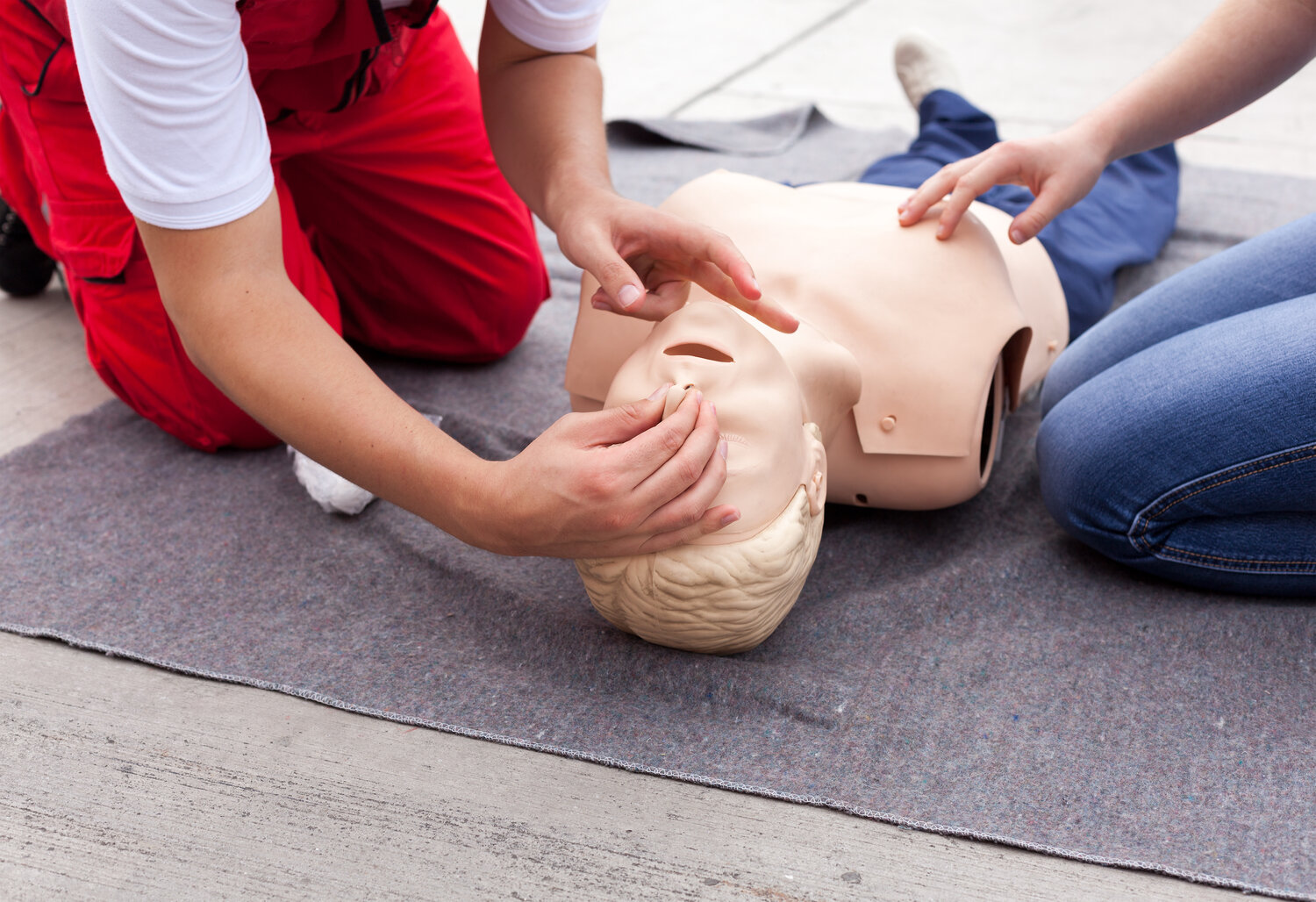
Scene Safety: The Initial Step
How Do You Make sure Scene Safety?
Ensuring scene safety entails examining the setting before Child Care First Aid Course Mackay approaching the victim:
- Look for prospective risks (traffic, fire). Make certain it's secure for both you and the victim.
Basic Life Support (BLS)
What Role Does BLS Play in Emergency Situations?
Basic Life Assistance includes the basics of maintaining life features until more medical aid shows up. This area covers vital skills such as:
- Checking responsiveness Activating emergency solutions Performing top quality upper body compressions
Advanced CPR Techniques
What Are Advanced Techniques Covered in CPR Courses?
Advanced strategies might include:
- Two-rescuer CPR Use of obstacle tools for rescue breaths Special factors to consider for infants and children
Choking Relief Techniques
How Do You Aid Someone That is Choking?
Choking relief involves two crucial techniques:
The Heimlich maneuver for adults. Back blows and breast drives for infants.Wound Treatment Management
How Do You Effectively Handle Wounds?
Effective wound monitoring entails:
- Cleaning the injury with saline or clean water. Applying antibiotic ointment. Covering it with clean and sterile dressings.
Burn Treatment
What Are Effective Methods for Dealing With Burns?

Burn therapy varies by level:
Cool the shed under running water. Cover it with non-stick dressings. Seek clinical interest for extreme cases.Managing Shock
How Is Shock Identified and Treated?
Recognizing shock consists of searching for signs like light skin, quick pulse, or complication:
Lay the individual down. Elevate their legs unless there are injuries preventing this. Keep them relax till help arrives.Recognizing Clinical Emergencies
What Types of Medical Emergencies Need To You Understand Of?
Common medical emergencies consist of:
- Heart assaults Stroke Severe allergies Understanding these problems aids you act quickly.
Using an Automated External Defibrillator (AED)
How Do You Make use of an AED Correctly?
Using an AED includes turning it on, connecting pads according to illustrations on the gadget, and complying with voice triggers carefully.
Importance of Continuous Learning
Why Is Continual Learning Important in Emergency Treatment Training?
Continuous learning ensures you remain upgraded on ideal practices and new procedures in emergency treatment care.
FAQs Concerning Emergency treatment Courses
What Is Included in a Standard Emergency Treatment Course?- A basic training course usually covers standard life assistance, injury administration, choking alleviation strategies, and lawful considerations.
- Most courses range from 6 hours to 16 hours depending on the deepness of web content covered.
- Yes, upon successful completion of many training courses, individuals obtain a first aid certificate, which is generally legitimate for two years.
- Yes! Several companies supply online training courses that offer versatile learning atmospheres while still being effective.
- Absolutely! Hands-on practice is important for understanding skills like chest compressions and using AEDs effectively.
- Generally, there are no age constraints; nonetheless, participants need to be psychologically proficient to discover these life-saving skills effectively.
Conclusion
Enrolling in an extensive emergency treatment course outfits individuals with necessary expertise that can save lives during emergency situations-- whether in your home, work, or out in public spaces! From understanding standard life support procedures such as mouth-to-mouth resuscitation to discovering exactly how to handle injuries appropriately or identify signs of shock-- these training courses provide important training that anyone can benefit from!
As we navigate via our daily lives loaded with changability-- what much better method than preparing ourselves via understanding acquired from structured training sessions focused on saving lives?
In conclusion-- if you're pondering occupying any type of type of first-aid training-- never ever think twice! Outfit on your own today with these effective tools due to the fact that preparedness absolutely makes all the difference when every second counts!